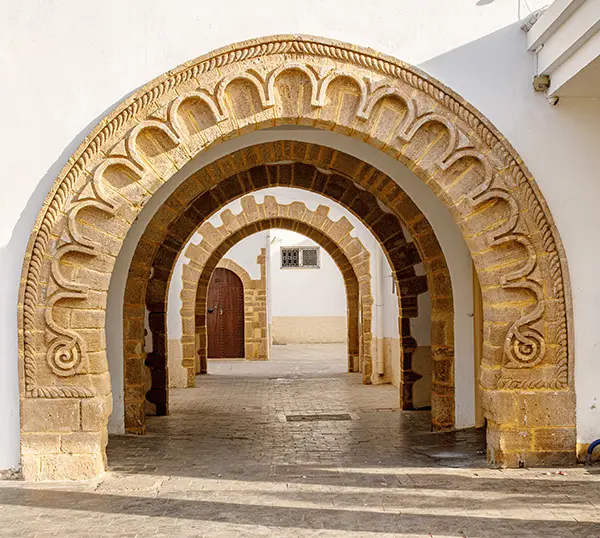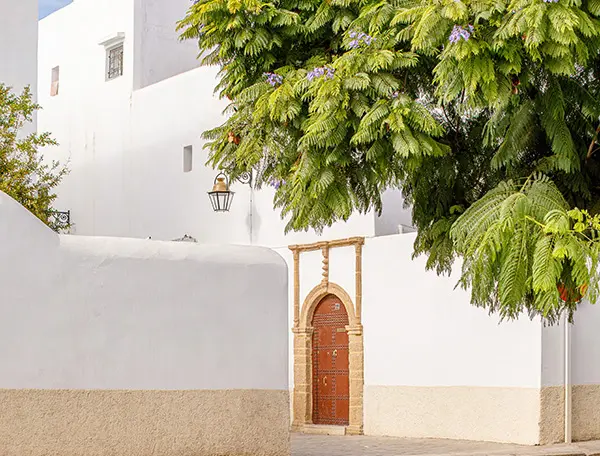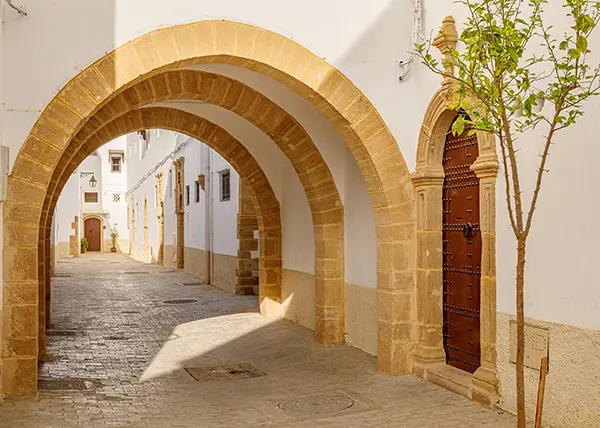
On the occasion of the 2025 Africa Cup of Nations, Rabat celebrates its World Heritage through a series of free guided tours open to all.
As part of UNESCO’s World Heritage Volunteer Initiative, young student volunteers, passionate and trained in cultural mediation, will accompany you in discovering the emblematic sites inscribed on the UNESCO World Heritage List. With them, history, architecture, and contemporary life intertwine to reveal the spirit of Rabat, a modern capital and historic city.
During CAN 2025, let yourself be guided through an experience of discovery and dialogue, carried by the enthusiasm of engaged youth and the cultural richness of the city.
An invitation to rediscover Rabat through curiosity, emotion, and the pride of its living heritage.




The archaeological site of Chellah
The Chellah, situated on the left bank of the Bouregreg, unfolds across the slopes of two hills over nearly seven hectares overlooking the alluvial plain of the Oulja and the river estuary. Its strategic geomorphology, fertile soils, perennial water sources, forested surroundings, and direct openness to both river and ocean, created, since antiquity, conditions of exceptional favourability for human occupation.
*The guided tour is free; access to this site is subject to a fee.
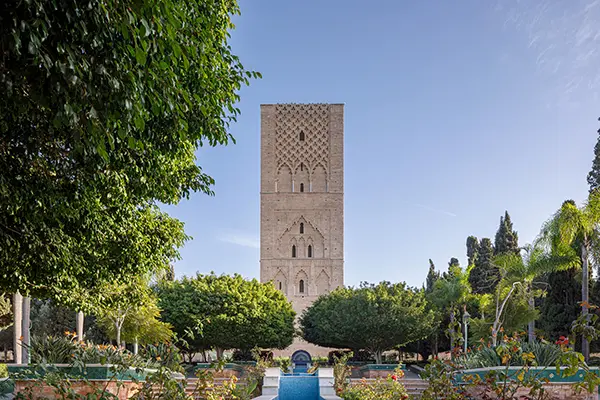

Hassan Mosque and the Mausoleum of Mohammed V
The Hassan Mosque, commissioned in 1184 by the Almohad Caliph Yaacoub El Mansour upon his accession, embodies the monumental ambition of the Almohad polity. Conceived as what would have been the largest mosque of the western Mediterranean, the complex remained unfinished following the cessation of works. More than eight centuries later, in 1961, the historic platform of the Hassan Mosque was reinvested with new symbolic meaning through the construction of the Mausoleum of Mohammed V, creating a singular ensemble where Almohad heritage and modern national commemorative architecture intersect.
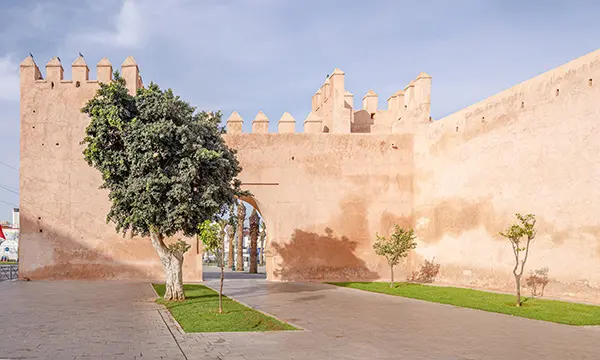
The Qasba of the Oudaïa and the Almohad ramparts and gates
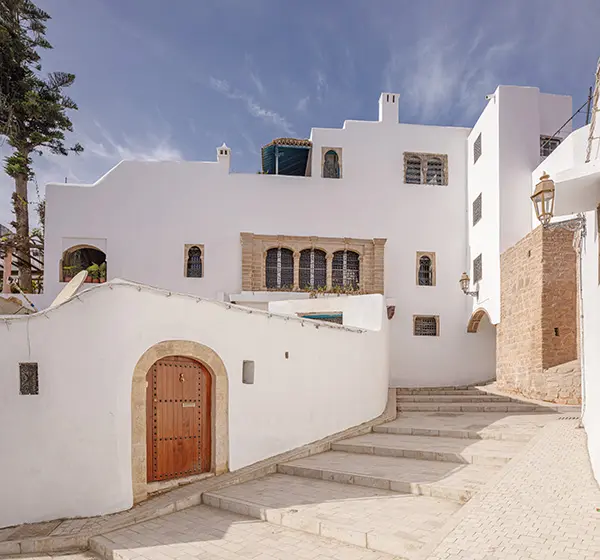
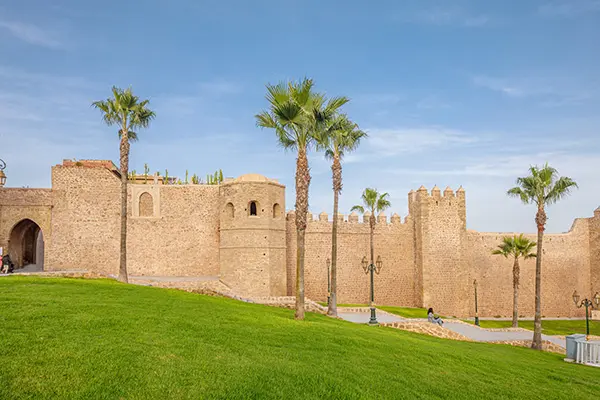
The Qasba of the Oudaïa, positioned on a rocky promontory at the northeastern edge of Rabat, commands sweeping views over the medinas of Rabat and Salé, the Atlantic shoreline, and the mouth of the Bouregreg. As an early fortified nucleus, it played a determining role in structuring the historical urban landscape and anchoring human settlement around the estuary.
.
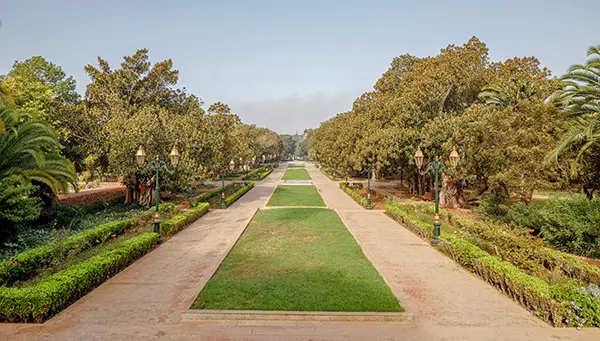
The Botanical Garden
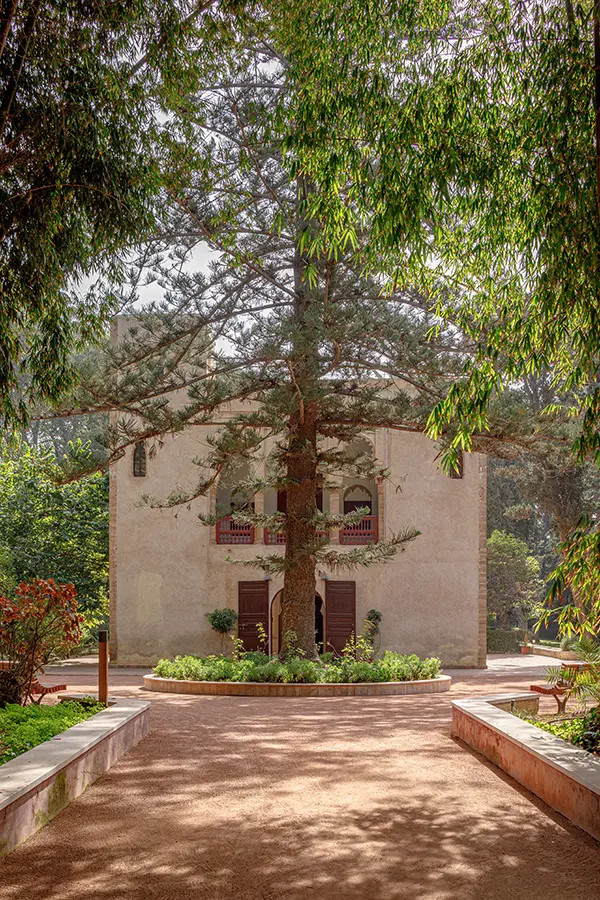
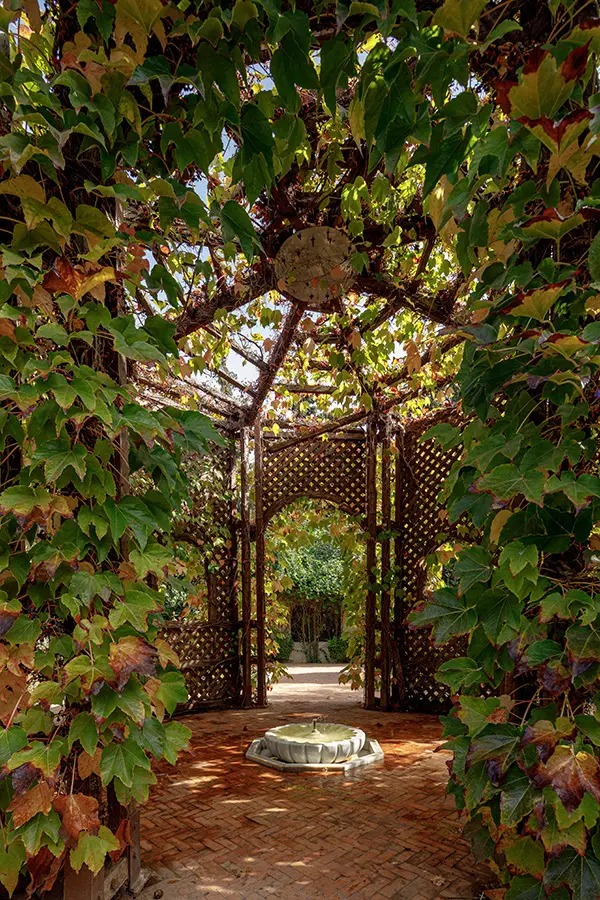
At the dawn of the 20th century, Rabat became a laboratory for emerging international currents in urban planning, notably the movement of garden cities. The modern city of Rabat emerged as a pioneering and exemplary model, shaped by architects, planners and landscape designers whose interventions established the distinctive urban character that underpins its Outstanding Universal Value today.
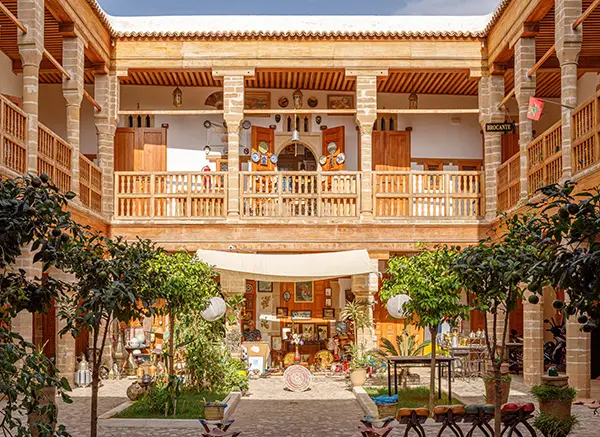
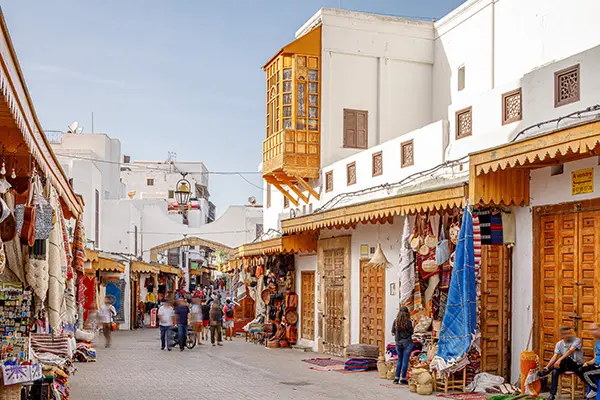
The Medina of Rabat
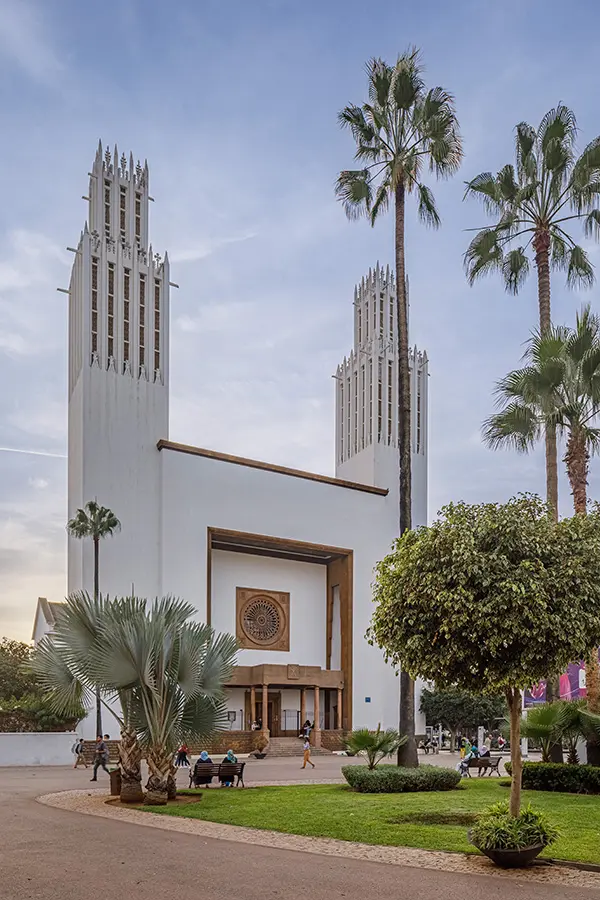
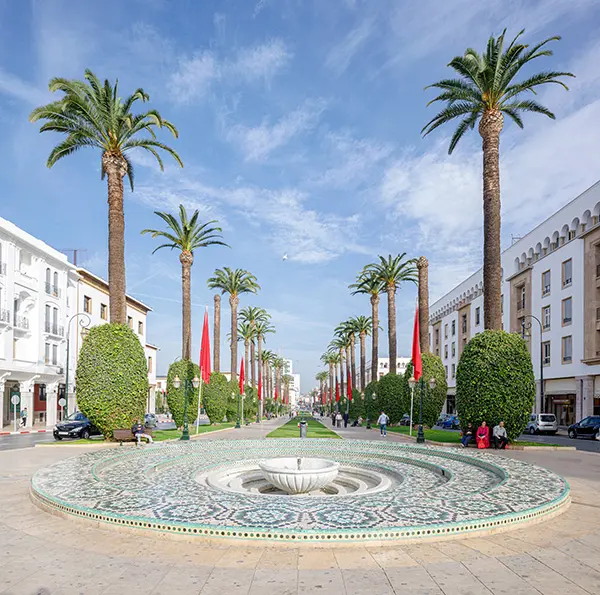
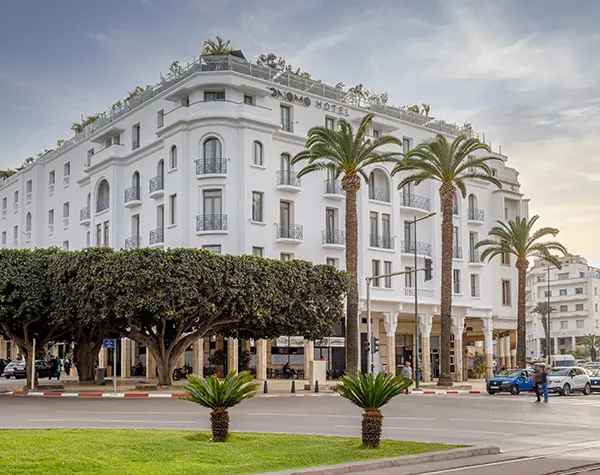
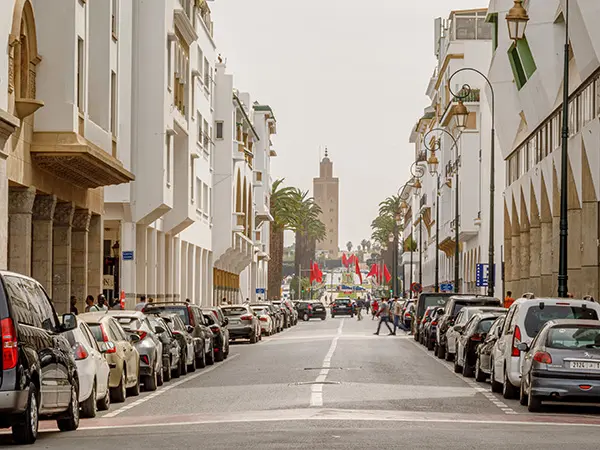
The 20th-century New Town